From Gulf Crisis to South Indian Kitchens. How the Iran War is Quietly Making Your Daily Meals Expensive
April 15, 2026
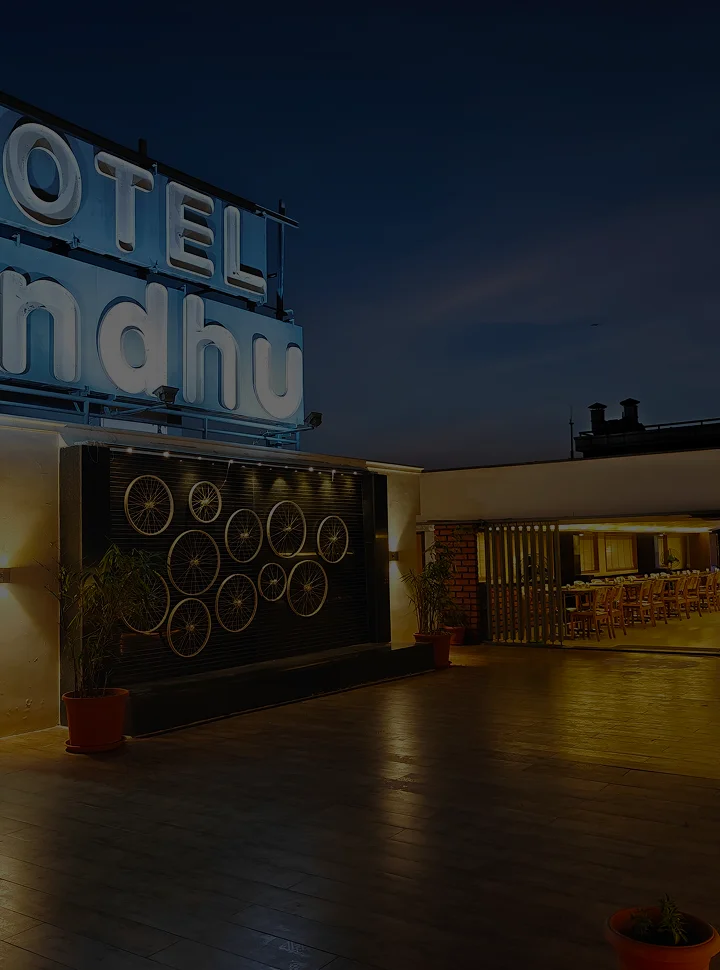
You walk into a small hotel. You order your usual meals. Rice, sambar, one curry.
Bill comes.
You pause.
Same plate. Different price.
Something has changed. But nobody told you clearly what.
Let’s break it down step by step. Because what’s happening in the Gulf is already sitting on your plate.
The Real Chain Reaction You Are Feeling
You might think war is far away. But your kitchen says otherwise.
Here is the simple truth.
Fuel goes up -> transport cost rises -> food price climbs
But that is just the surface.
Now go deeper.
Step 1: Oil Shock Hits First
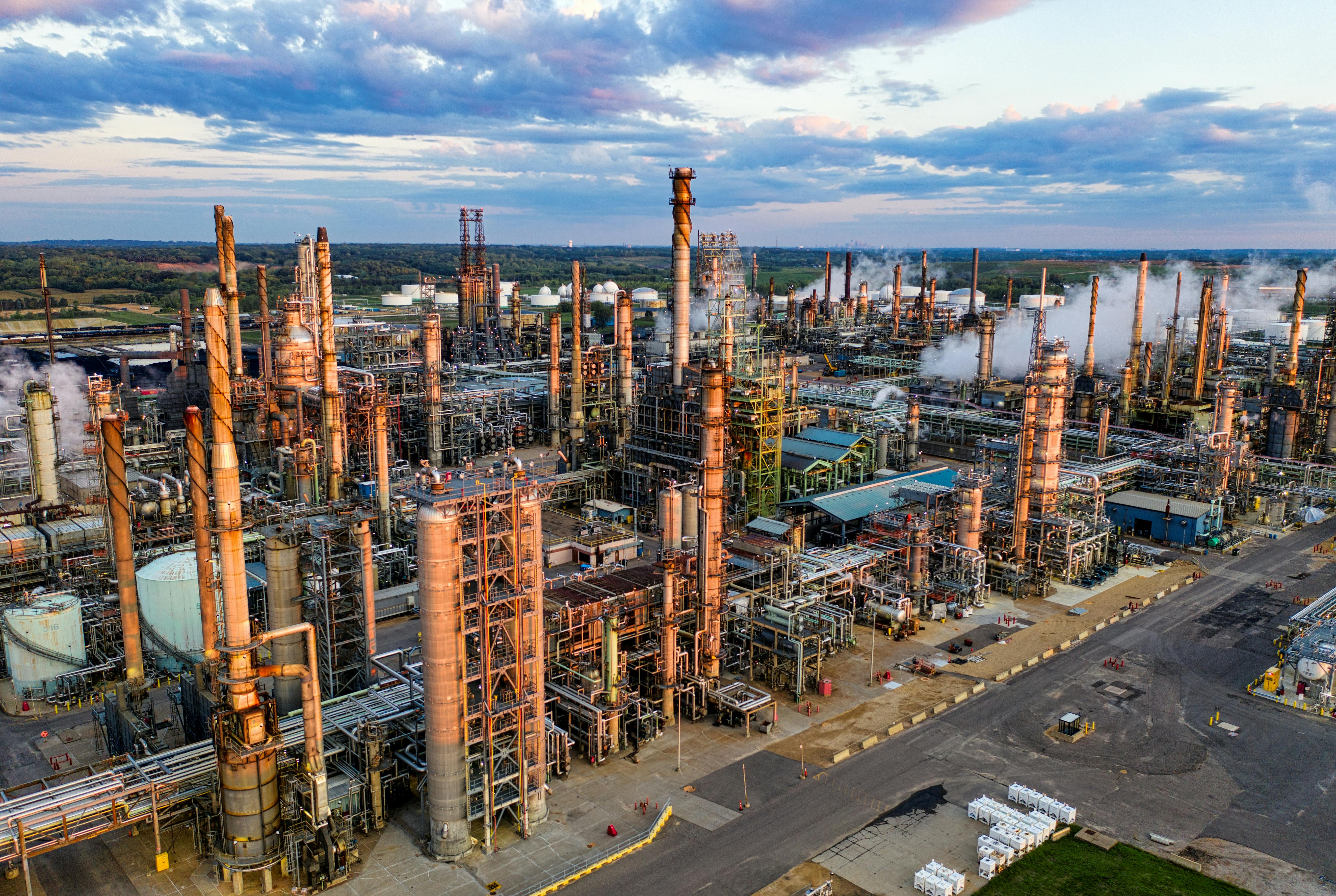
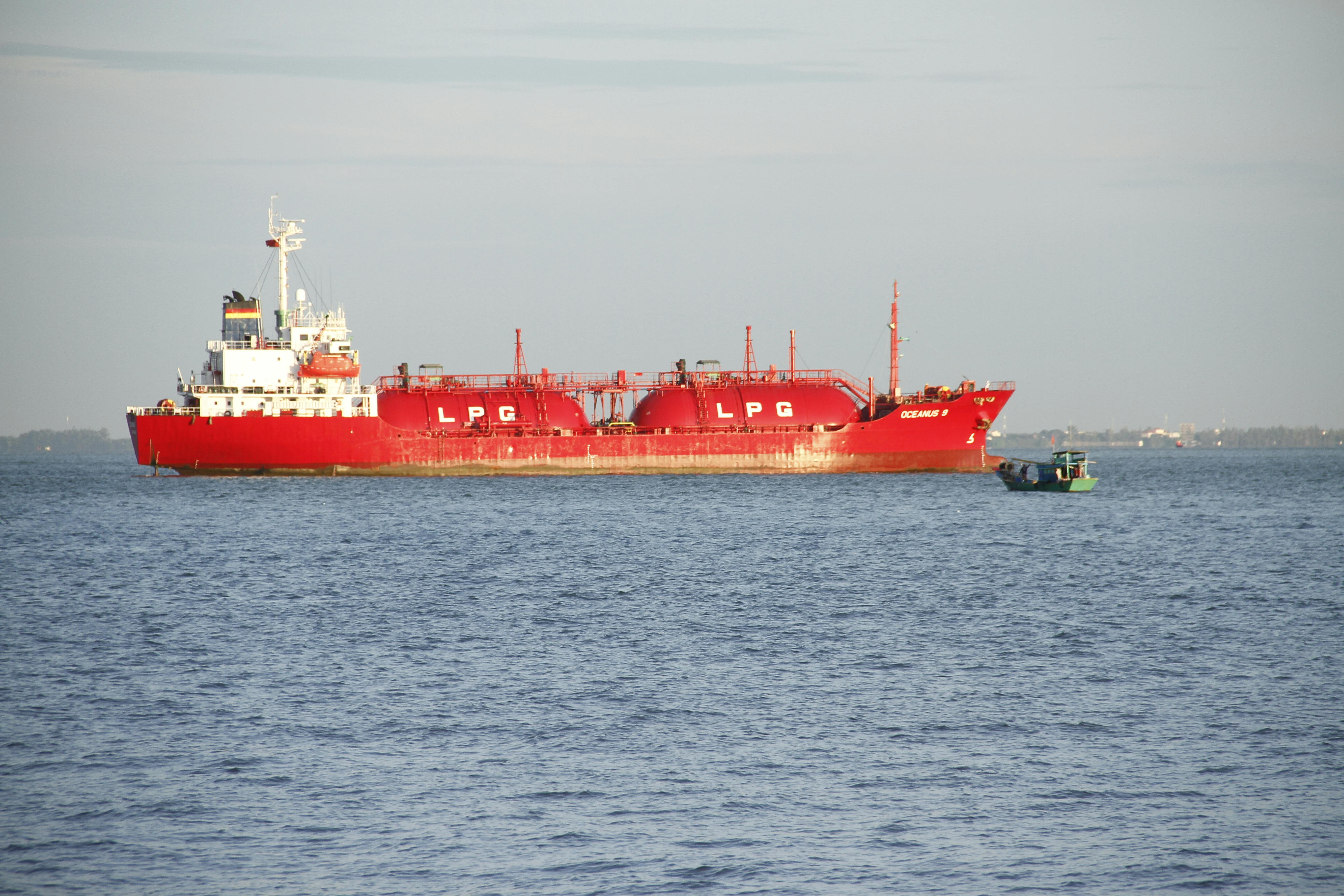
When tensions rise in Iran, global oil supply becomes unstable.
India depends heavily on imported oil. So when oil prices increase, everything that moves becomes expensive.
TrucksDelivery vansCold storage transportEvery kilometer now costs more.
Therefore your vegetables are not just grown anymore. They are transported at a premium.
Step 2: Fertilizer Crisis You Didn’t Notice
Here’s the hidden blow.
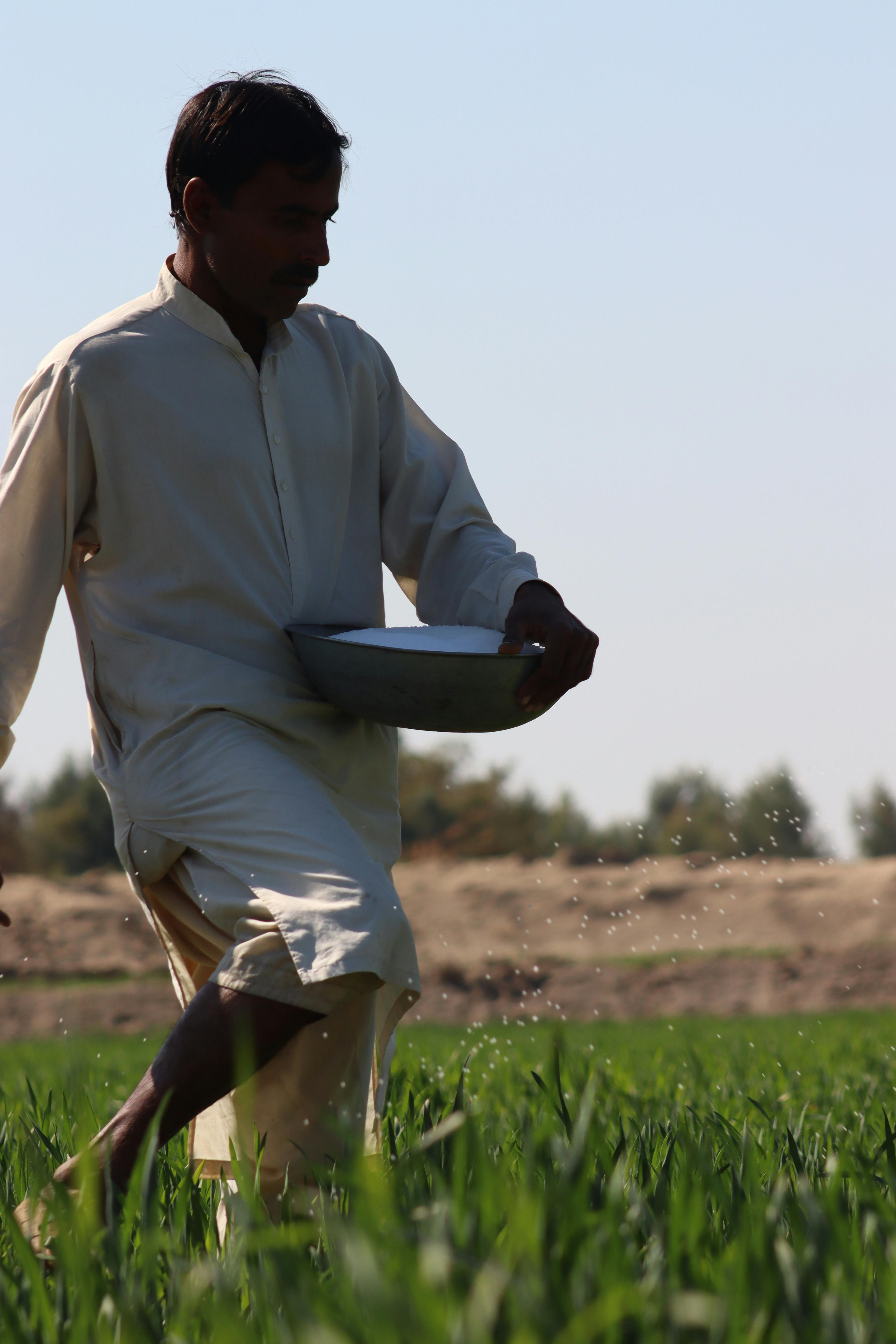
Iran and nearby regions are key players in fertilizer supply chains.
War disrupts production and exports.
What happens next
Fertilizer prices increaseFarmers reduce usageCrop yield dropsBut the demand for food remains the same.
Now you have less supply but same demand.
Result
Prices go up silently.
Step 3: Local Impact in Tamil Nadu
Now bring it closer.
You are in Tamil Nadu. You eat rice daily. You consume vegetables daily.
Here’s what is happening around you
Rice production cost is increasingVegetable supply is becoming inconsistentWholesale markets are fluctuating dailySmall hotels and mess owners are under pressure.
They cannot absorb the cost anymore.
So they do the only thing possible
They increase menu prices.
Or reduce portion size.
Sometimes both.
The Hotel Reality Nobody Talks About
Talk to any hotel owner.
They will tell you one line straight.
“Profit illa bro… survival dhan.”
That’s the ground truth.
Cooking oil cost is upGas cylinder cost is upRaw material cost is upBut customers expect the same price.
This gap is where the tension builds.
Why Your “Normal Meal” Feels Premium Now
Earlier
Meals was routine.
Now
Meals is calculated spending.
You start noticing
Smaller servingsFewer side dishesHigher billsThis is not random.
This is a direct global to local economic chain hitting your plate.
The Bigger Shift You Should Watch
This is not a temporary spike.
This is a structural shift.
Going forward you will see
More dynamic pricing in hotelsSeasonal price swings becoming sharperPremium positioning even for basic food itemsFood is slowly moving from “basic need” to “managed expense”.
The Wake Up Moment
You don’t need to track global politics daily.
But you should understand this
What happens in the Gulf Does not stay in the Gulf
It travels.
Through oil Through fertilizers Through logistics
Until it reaches your lunch plate.
Final Thought
Next time when your meal price feels higher, don’t just blame the hotel.
Zoom out.
Because somewhere far away, a geopolitical decision has already reached your table.
And now you are paying for it.
That’s the real story.