The Fertilizer Shockwave
April 15, 2026
How the Iran War Could Quietly Break Rice Production in Tamil Nadu
You eat rice every day.
Morning idli. Afternoon meals. Night dosa.
It feels normal.
Stable.
Guaranteed.
But what if I tell you…
This everyday rice is standing on a fragile system you don’t even see?
And right now. That system is under pressure.
The Problem Starts Before Farming Even Begins
You think farming starts with seeds.
Wrong.
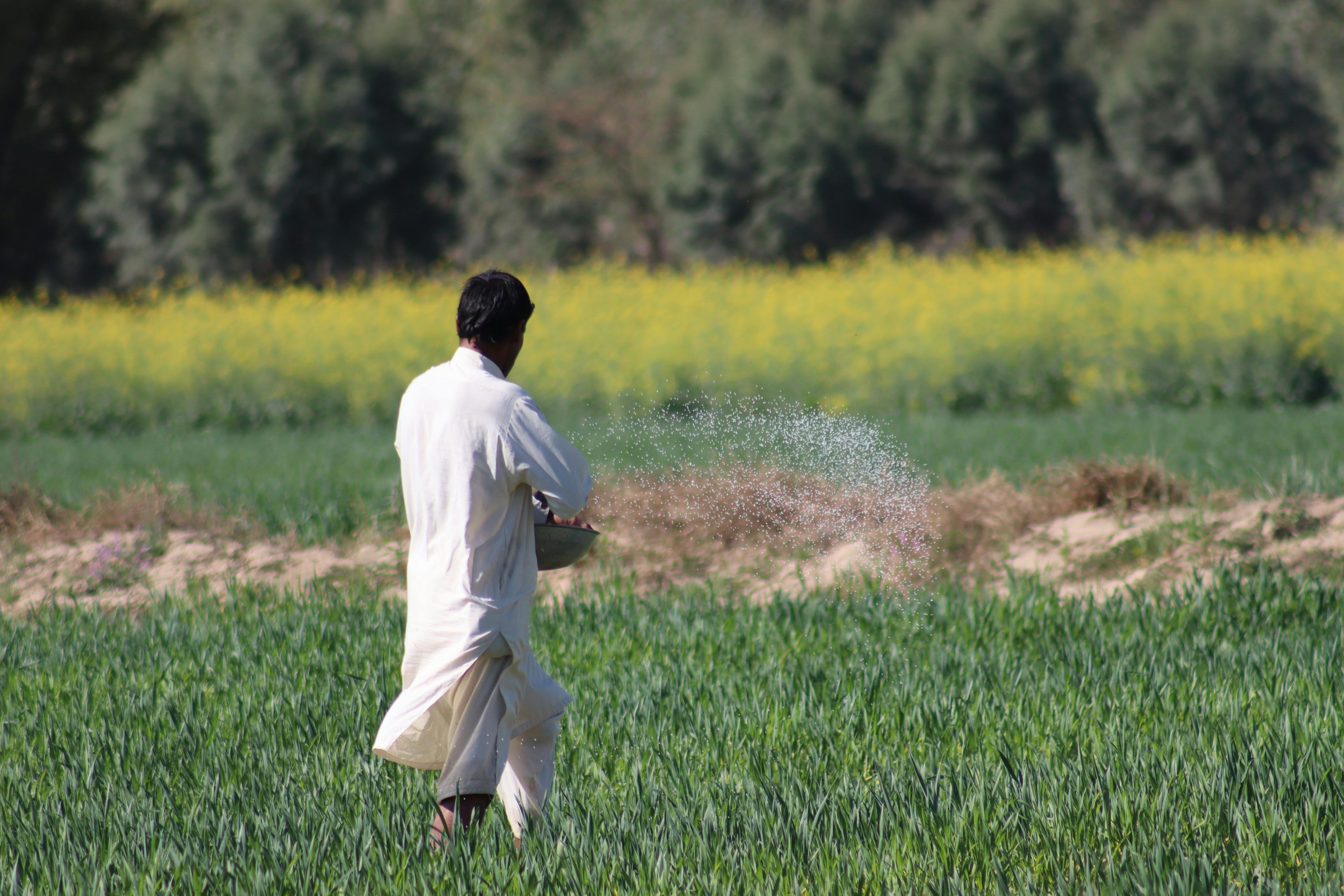
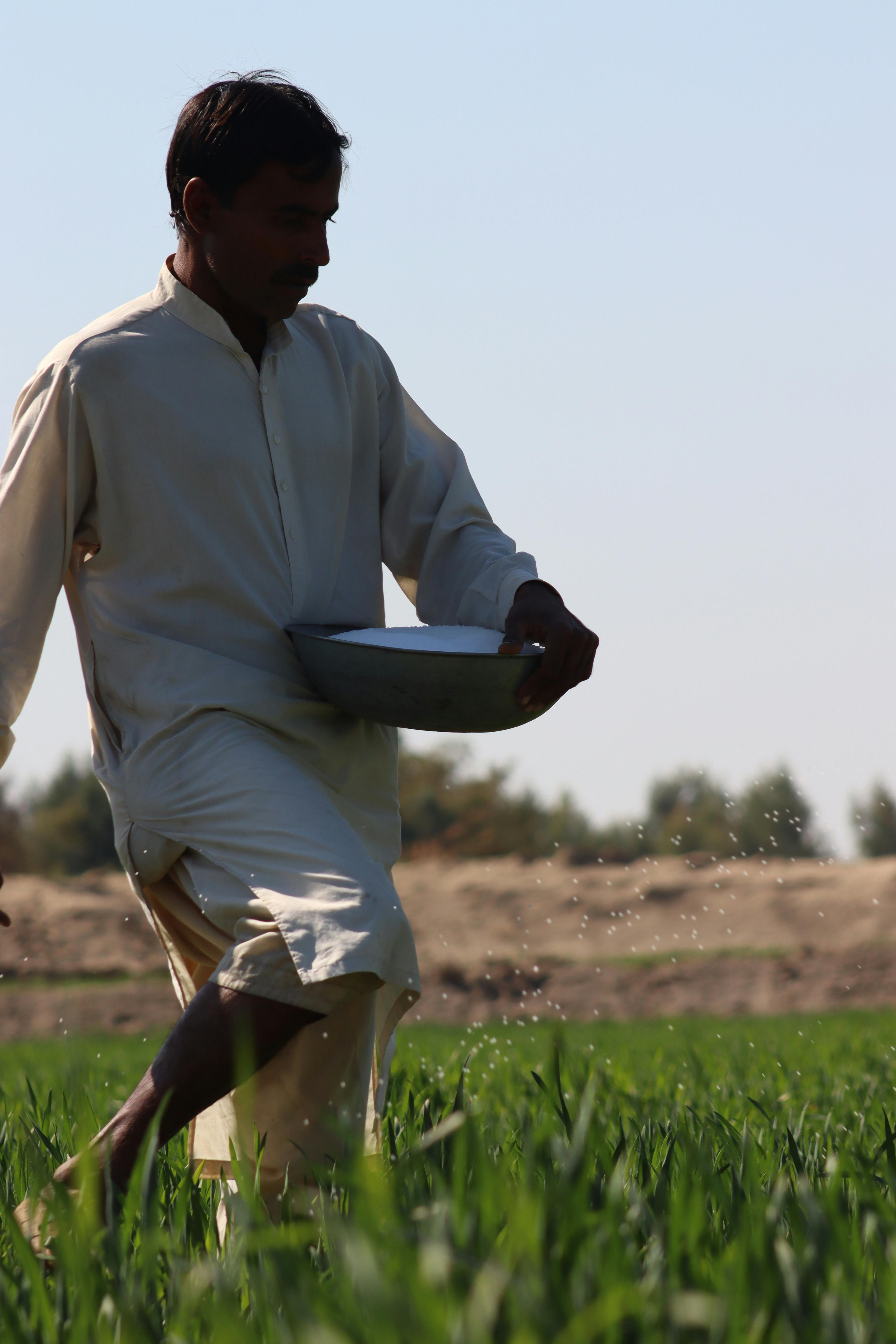
It starts with fertilizer.
Without fertilizer:
Soil loses strengthCrop growth slowsYield dropsNow here’s the catch.
India depends heavily on imports for key fertilizers.
Especially from the Middle East.
And the Iran war?
It is shaking that supply chain.
What Exactly Is Breaking?
Let’s simplify it.
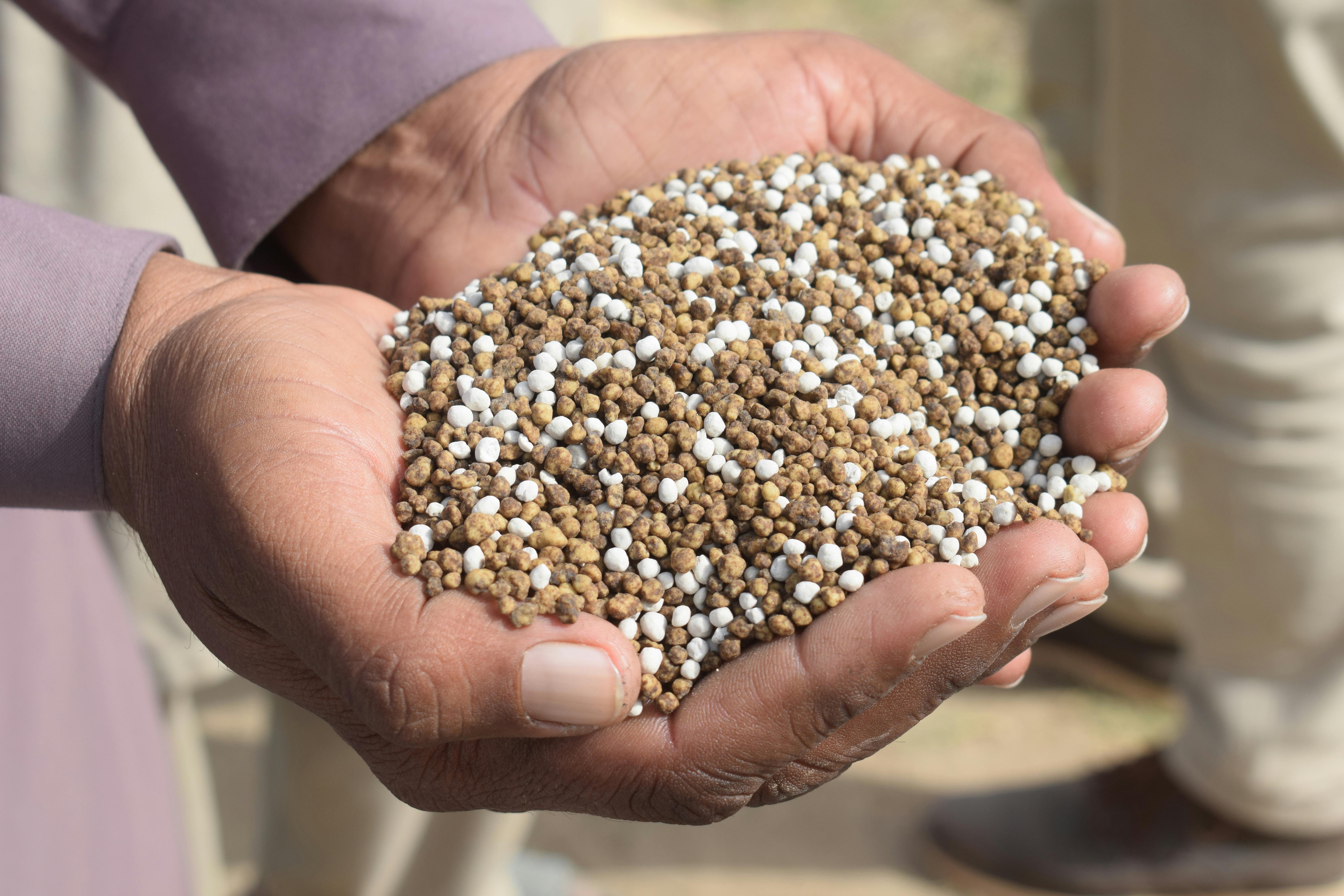
Fertilizers like:
UreaDAPPotashNeed raw materials like natural gas.
And a big chunk of that comes from regions affected by the conflict.
Now because of instability:
Supply routes are disruptedPrices of raw materials increaseProduction cost of fertilizers shoots upSo fertilizer doesn’t disappear.
But it becomes expensive.
Very expensive.
What Farmers Are Forced to Do
Now step into a farmer’s shoes in Tamil Nadu.
You already deal with:
Water uncertaintyLabour costMarket fluctuationsNow fertilizer cost increases.
So you face a tough choice:
Use full fertilizer -> high cost, low marginReduce fertilizer -> save cost, but lower yieldMost choose the second.
Because survival comes first.
The Silent Damage Happens Here
When fertilizer usage drops:
Crop growth becomes weakerGrain size reducesOverall yield dropsThis doesn’t create immediate panic.
But slowly…
Production declines.
“Konjam konjam ah koranjitu pogum… but oru naal sudden ah shock kudukkum.”
Why Rice Is at High Risk
Tamil Nadu is rice dependent.
Both as:
A staple foodA major agricultural outputRice farming is fertilizer-intensive.
So even a small reduction in fertilizer use Creates a big drop in output.
That’s the danger.
From Farm to Your Plate… The Chain Reaction
Here’s how it flows.
Step 1Fertilizer cost increases
Step 2Farmers reduce usage
Step 3Rice production drops
Step 4Supply reduces
Step 5Market prices increase
Now you feel it.
Not in news.
But in your daily meal cost.
Hotels and Food Businesses Will Feel It Next
Remember how LPG impacted restaurants?
This is the next wave.
When rice prices go up:
Meals price increasesPortion sizes reduceBudget hotels struggleBecause rice is not optional.
It’s the core of South Indian food.
This Is Not Short-Term… It’s Structural
That’s the real issue.
Fertilizer disruption is not like fuel price.
Fuel can stabilize faster.
But agriculture?
It works in cycles.
One bad season Impacts the next.
So this effect compounds.
Food Security Is Now a Real Conversation
Earlier, food shortage sounded like a distant issue.
Now?
It’s entering reality.
Because when:
Input cost risesProduction fallsThe system becomes unstable.
And once instability starts Prices don’t just increase
They fluctuate unpredictably.
What Happens Next? Think Ahead
If this continues:
Government may increase subsidiesImports of rice may riseFarmers may shift cropsBut all of this takes time.
And during that time…
You will feel the pressure.
The Reality Check
Next time you eat a simple meals plate…
Rice, sambar, poriyal
Don’t assume it will always stay affordable.
Because what looks like a simple plate
Is backed by:
Global energy marketsFertilizer supply chainsGeopolitical stability